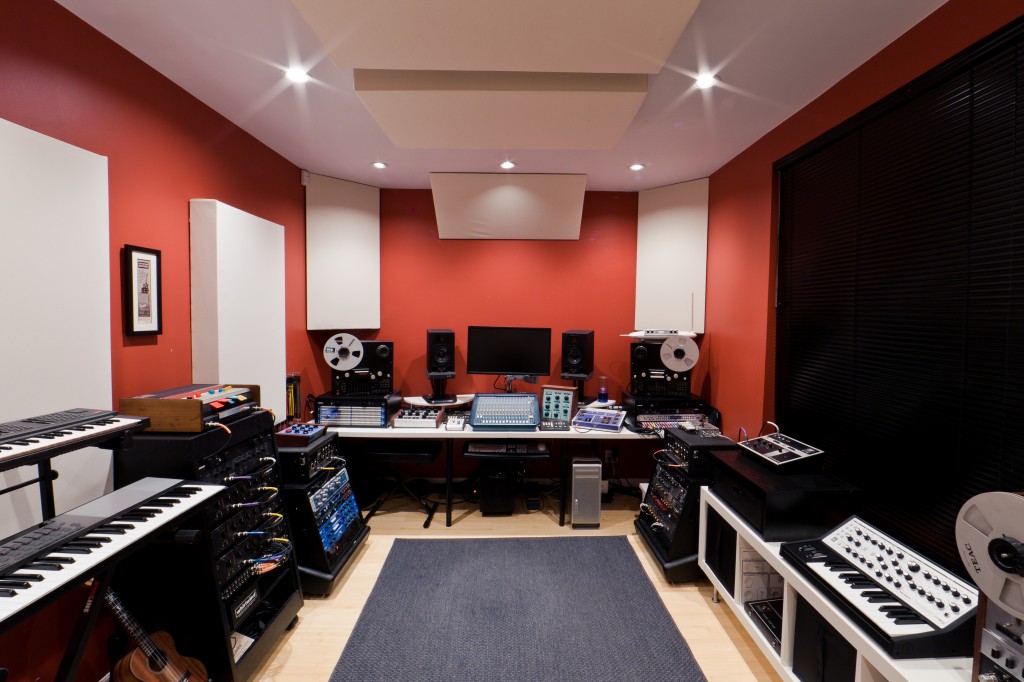
Bass traps are a cornerstone of acoustic treatment, particularly in spaces where sound clarity is a priority, like studios, theaters, and listening rooms. Despite their effectiveness, bass traps are often surrounded by myths and misconceptions. Understanding the facts can help you make informed decisions about using them for improving room acoustics.
Myth 1: All Acoustic Foam Can Absorb Bass
Reality:
Not all acoustic foam is designed to absorb bass frequencies. While foam is effective for higher frequencies, true bass traps are specialized devices that target low frequencies (below 250Hz). Bass traps typically use materials like dense fiberglass or are constructed as membrane or resonant absorbers to effectively manage low-end sound.
Myth 2: Bass Traps Eliminate All Low Frequencies
Reality:
Bass traps are not designed to completely eliminate bass frequencies but to control and balance them. Excessive low frequencies can lead to muddiness and standing waves, but completely removing them would make the audio unnatural. The goal is to achieve an even frequency response in the room.
Myth 3: Bass Traps Are Only for Professionals
Reality:
While bass traps are common in professional environments, they are equally beneficial in home theaters, podcast studios, or gaming rooms. Any space where sound clarity is important can benefit from bass traps.
Myth 4: Placing Bass Traps in One Corner Is Enough
Reality:
Low frequencies tend to accumulate in all corners of a room, not just one. To maximize effectiveness, bass traps should be placed in multiple corners, including vertical and horizontal intersections of walls, ceilings, and floors.
Myth 5: DIY Bass Traps Are Ineffective
Reality:
DIY bass traps can be highly effective if built correctly. Using dense materials like mineral wool or rigid fiberglass, combined with proper placement, can achieve significant results. However, professional-grade traps may offer more precision and aesthetics.
Myth 6: Bass Traps Make the Room Too Dead
Reality:
Properly placed bass traps will balance the acoustics without over-dampening the room. Other elements like mid- and high-frequency absorbers and diffusers ensure a natural and lively sound environment.
How Bass Traps Actually Work
Bass traps manage low-frequency sound waves by either absorbing or diffusing them. Two main types include:
- Porous Absorbers: Use materials like fiberglass or foam to absorb sound across a broad frequency range, including bass.
- Membrane or Resonant Absorbers: Utilize a vibrating membrane tuned to specific frequencies for targeted bass absorption.
Tips for Effective Use
- Place in Corners: Bass energy accumulates in corners, making them ideal locations for bass traps.
- Combine with Diffusers: To avoid an overly dampened sound, complement bass traps with diffusers for high frequencies.
- Balance Across the Room: Use multiple bass traps to evenly manage low frequencies throughout the space.
Conclusion
Bass traps are indispensable for managing low frequencies, improving clarity, and creating a balanced sound environment. Dispelling myths and understanding their true capabilities can help you get the most out of your acoustic treatment efforts. Whether for professional studios or personal spaces, properly chosen and placed bass traps can transform your room’s sound dynamics.