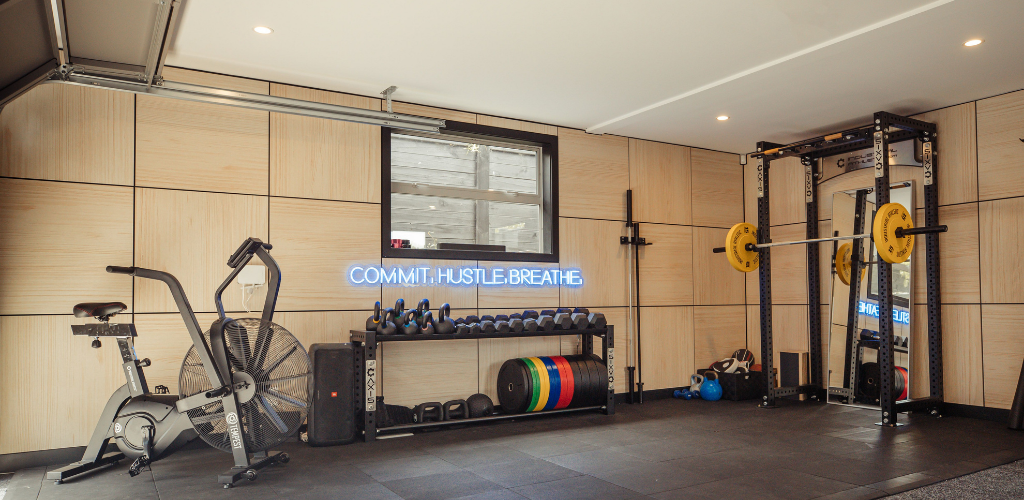
Soundproofing a gym is essential for creating an environment where members can focus on their workouts without distractions from excessive noise. Whether you’re dealing with loud music, dropping weights, or conversations, effective soundproofing ensures that your gym is a more comfortable and productive space. Here’s a guide on how to soundproof a gym effectively.
1. Identifying the Noise Issues in a Gym
- Internal Noise Sources:
- Music: Loud music is a common aspect of gym culture, especially in high-energy spaces like aerobics rooms or free-weight areas.
- Equipment: The sound of weights dropping, machines in use, and people moving equipment can be significant.
- Conversations: In social areas, members talking can add to the noise levels.
- External Noise Issues:
- Sound traveling to or from neighboring spaces or buildings can be a concern, particularly in urban settings.
- If the gym is near busy roads or public spaces, external noise may disrupt the environment and affect workout focus.
2. Key Soundproofing Strategies
- Wall Soundproofing:
- Acoustic Panels: Installing wall-mounted acoustic panels helps absorb sound and reduce reverberation. Soft fabric-wrapped panels are a common choice for gyms as they are both functional and visually appealing.
- Mass-Loaded Vinyl: This dense material can be applied to walls to block sound from traveling through them. It’s effective for reducing noise transmission.
- Drywall Layers: Adding additional layers of drywall with a damping material like Green Glue between them can significantly reduce noise.
- Ceiling Soundproofing:
- Acoustic Ceiling Tiles: For spaces with high ceilings, installing acoustic ceiling tiles or baffles can absorb sound and prevent echoes. These tiles also help reduce the noise that can travel to the floors above or below.
- Suspended Ceilings: If feasible, a suspended ceiling can decouple sound, reducing noise transfer.
- Flooring Solutions:
- Rubber Flooring: Rubber is an ideal material for gyms because it absorbs sound effectively, especially in areas where weights are dropped or heavy machines are used.
- Carpets or Mats: Adding carpets or rubber mats in areas with intense activity can absorb impact noise and reduce footfall sound.
- Doors and Windows:
- Solid Core Doors: Replace hollow-core doors with solid-core options to prevent sound from escaping or entering through doorways.
- Double Glazing: If your gym has windows, consider double glazing to reduce noise from traffic and outdoor disturbances.
- Weatherstripping: Apply weatherstripping around doors and windows to seal gaps where sound might leak through.
- Sound Masking:
- White Noise Machines: Installing a sound masking system helps cover up disruptive noises. These systems create a consistent background sound that makes conversations and other noises less noticeable, ensuring members can focus on their workouts.
3. Benefits of Gym Soundproofing
- Enhanced Member Experience:
A quieter gym creates a more comfortable environment, allowing members to focus on their workouts without distractions. Less noise can help reduce stress and fatigue, improving overall satisfaction. - Better Communication:
Soundproofing helps facilitate clearer communication between gym staff and members. This is especially important in group fitness classes, where instructions need to be heard over the general noise of the gym. - Improved Privacy:
Soundproofing can ensure that conversations, whether personal or related to training, are kept private. This is particularly important in areas like changing rooms or personal training spaces. - Compliance with Noise Regulations:
In urban areas or residential buildings, soundproofing can help comply with local noise ordinances, preventing disturbances to neighbors and avoiding potential fines.
4. DIY vs. Professional Soundproofing
- DIY Soundproofing:
Many basic soundproofing methods can be implemented by gym owners themselves, such as adding acoustic panels, rubber flooring, and door seals. DIY options are generally more budget-friendly but may not provide the level of sound isolation that professional methods can. - Professional Soundproofing:
For a more thorough soundproofing solution, consider hiring an acoustic professional to evaluate the gym’s layout and recommend customized solutions. Professionals can install advanced materials like mass-loaded vinyl, optimize room layouts, and provide expert advice on reducing noise transmission.
5. Budget Considerations
The cost of soundproofing a gym can vary widely depending on the size of the space, the materials chosen, and the level of soundproofing required. For a small gym, basic solutions like acoustic panels and rubber flooring can be a cost-effective starting point. Larger gyms with high ceilings and significant noise issues may require more comprehensive solutions, including structural changes, professional installation, and higher-end materials.
Conclusion
Gym Soundproofing is a vital step in creating a more comfortable, productive, and enjoyable environment for both members and staff. By addressing noise from equipment, music, and external sources, gyms can enhance communication, reduce distractions, and improve overall satisfaction. Whether through DIY solutions or professional services, soundproofing your gym is an investment that will pay off in a better atmosphere and improved member retention.