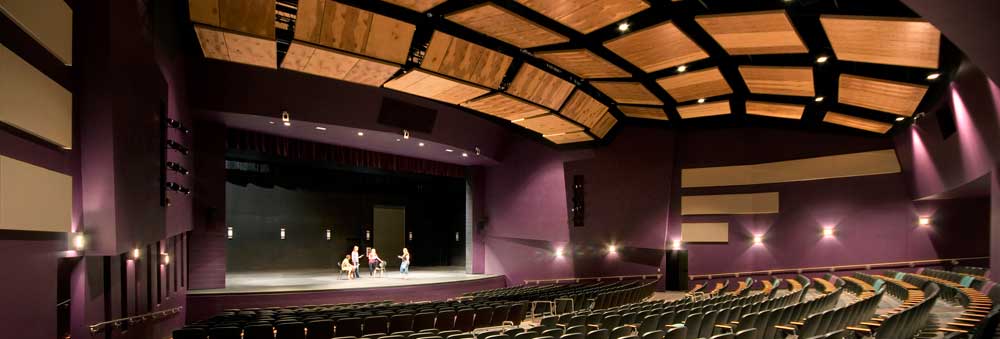
Soundproofing an auditorium is a crucial aspect of ensuring the best auditory experience for both the performers and the audience. Whether it’s for a concert hall, theater, or conference center, the goal is to minimize unwanted noise and reverberation while enhancing sound clarity within the space. Effective soundproofing is not only about preventing external noise from entering but also about optimizing the acoustics within the auditorium for superior sound quality. In this article, we will discuss the key elements of soundproofing an auditorium, techniques to improve acoustic quality, and how to address common challenges.
Why Soundproofing Matters in an Auditorium
An auditorium typically serves as a venue for performances, lectures, meetings, or concerts, where high-quality sound reproduction is critical. Poor acoustics or excessive noise interference can drastically impact the experience for the audience, causing distraction and diminishing the effectiveness of the performance or presentation. Soundproofing addresses several factors that influence sound quality:
- External Noise Control: Reducing the intrusion of external noise from sources such as traffic, construction, or nearby events ensures that the auditorium remains a quiet space conducive to listening.
- Internal Noise Isolation: Soundproofing can help isolate the audience from other activities occurring in the building or nearby rooms. This is particularly important for multi-use venues where different events might be happening simultaneously.
- Acoustic Enhancement: Proper soundproofing can help optimize the sound quality within the auditorium, improving clarity, balance, and the overall auditory experience.
Key Techniques for Soundproofing an Auditorium
- Sealing Gaps and Cracks One of the most basic but essential steps in soundproofing is sealing any gaps, cracks, or holes in the walls, ceiling, and floor. Even the smallest opening can let sound pass through, affecting the overall acoustics of the space. Special sealants or acoustic caulk can be used to fill in gaps around doors, windows, electrical outlets, and seams between walls and ceilings. This process helps in reducing both airborne and structural-borne noise.
- Choosing the Right Wall Materials The materials used in the construction of the auditorium walls play a significant role in soundproofing. Thick, dense materials such as concrete, brick, or heavy gypsum board are more effective at blocking sound transmission compared to lightweight materials. For additional soundproofing, double or triple layers of drywall can be added with soundproofing compounds between them to create a barrier that absorbs sound.
- Decoupling the Structure Decoupling involves isolating the walls, ceiling, or floor from the building’s structure to reduce the transfer of sound vibrations. This can be done using resilient channels, acoustic hangers, or isolation clips. These devices minimize direct contact between surfaces and the structural components, effectively reducing the amount of sound that is transmitted through vibrations in the building frame.
- Adding Acoustic Insulation Acoustic insulation can be placed within the walls, ceiling, and floor cavities to absorb sound waves and prevent sound leakage. Materials such as fiberglass, mineral wool, and cellulose are commonly used for their ability to absorb sound energy and reduce noise transmission. Acoustic insulation not only improves soundproofing but also enhances the acoustic quality of the space, helping to eliminate sound reflections that may interfere with speech or music clarity.
- Soundproof Windows and Doors Windows and doors are often the weakest points in an auditorium’s soundproofing. Standard windows and doors can easily let noise in or out, but there are specialized solutions available for soundproofing. Acoustic or laminated glass, which is thicker and more durable than regular glass, can reduce sound transmission. Soundproof doors are also available, which are designed with heavy, airtight materials and seals to minimize sound leakage.
- Floor Treatment Floors in an auditorium can contribute to sound transmission, especially in cases where the floor structure is in direct contact with the ground or adjacent spaces. Adding soundproofing materials to the floor, such as acoustic underlayment or rubber mats, can help absorb vibrations and prevent them from traveling. Carpet, rubber flooring, or specialized acoustic tiles can also be used to improve sound isolation and reduce noise.
- Acoustic Panels and Diffusers While soundproofing controls unwanted noise from entering or leaving the auditorium, enhancing the acoustics within the space requires attention to how sound behaves inside the room. Acoustic panels help absorb excess sound energy and reduce reverberation, preventing the buildup of echo. This is particularly important in spaces where speech clarity or music fidelity is a priority. Panels can be placed on walls or ceilings, and their placement is often determined by the room’s shape and intended use.
Diffusers, on the other hand, scatter sound waves, preventing sound from bouncing off flat surfaces and creating “hot spots” where sound may be overly concentrated. By directing sound evenly throughout the space, diffusers help maintain balanced acoustics, ensuring that every listener has a consistent auditory experience.
- Improved HVAC and Ventilation Systems Noise from heating, ventilation, and air conditioning (HVAC) systems can be a significant source of distraction in an auditorium. In many cases, the noise generated by these systems is not only loud but also tends to interfere with speech or music. Soundproofing the HVAC system involves insulating ducts, using vibration isolation mounts, and ensuring that air movement does not generate noise that could disrupt the listening experience. Furthermore, quiet HVAC systems can be installed to minimize noise pollution.
- Room Shape and Design The architectural design and shape of the auditorium also play a role in its acoustics. Rooms with parallel walls tend to reflect sound in a way that creates undesirable echoes or reverberation. An optimal auditorium design incorporates angled or curved walls, which help diffuse sound evenly across the space and improve clarity. Acoustic engineers often use computational models to design spaces that will minimize unwanted reflections and enhance sound quality.
- Regular Maintenance and Upkeep Once the auditorium has been soundproofed, regular maintenance is essential to ensure that its acoustic properties remain optimal. Over time, materials may degrade, seals may wear out, and gaps may appear. Regular inspections and upkeep of soundproofing elements like windows, doors, and insulation can prevent minor issues from turning into significant problems.
Challenges in Soundproofing an Auditorium
Despite the best efforts, soundproofing an auditorium comes with certain challenges. One of the main challenges is balancing soundproofing with aesthetic and design elements. Acoustic materials, such as panels and insulation, must be incorporated in a way that does not disrupt the overall design of the space. Additionally, the cost of soundproofing can be significant, especially in larger venues, where multiple layers of materials and specialized equipment are necessary.
Another challenge is ensuring that soundproofing does not interfere with natural acoustics. While reducing external noise is important, it is also crucial to preserve the quality of sound within the auditorium. This requires a thoughtful approach to both sound isolation and acoustic enhancement.
Conclusion
Soundproofing an auditorium is essential for ensuring that the space provides an optimal auditory experience for its users. By addressing factors like room acoustics, external noise control, and internal sound management, venues can create environments where both speech and music are heard with clarity and precision. The right combination of materials, technologies, and design strategies can minimize noise interference, enhance acoustics, and improve the overall quality of the performance or presentation. Whether you are designing a new auditorium or retrofitting an existing one, soundproofing is a vital consideration for creating a space that fosters clear, effective communication and immersive sound experiences.