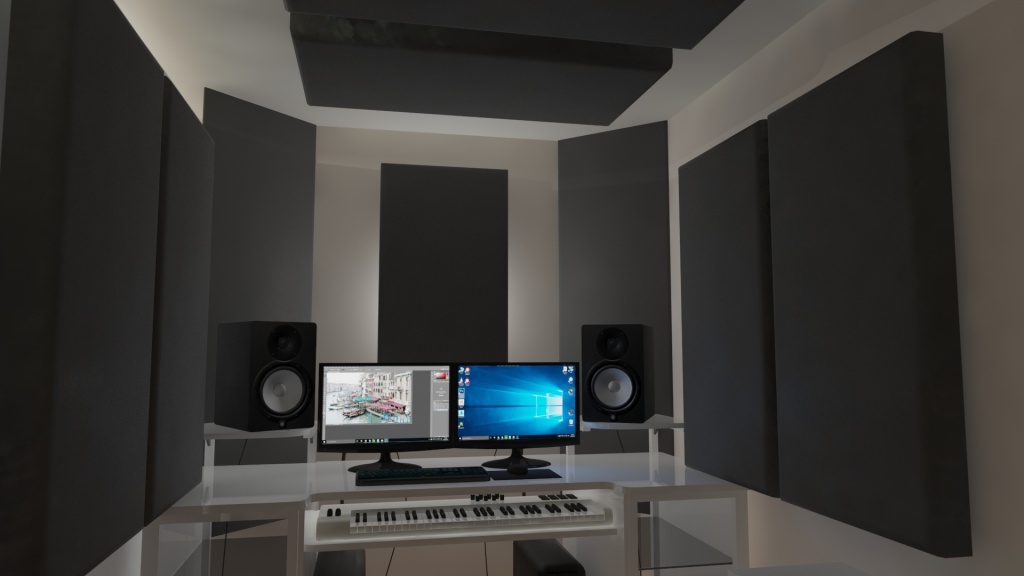
Bass traps are an essential part of acoustic treatment in environments where sound clarity is paramount, such as in home theaters, recording studios, or any space that demands high-quality acoustics. One of the most effective types of bass traps is the porous absorber, which plays a crucial role in controlling low-frequency sound waves. These sound waves, especially in the bass range (20Hz to 250Hz), can create problems such as muddiness, distortion, and unwanted reflections in a room’s acoustics. In this article, we explore the importance of porous absorber bass traps, how they work, and their role in improving sound environments.
What Are Porous Absorber Bass Traps?
Porous absorber bass traps are designed specifically to absorb sound in the low-frequency range, preventing excessive bass buildup and improving the overall acoustics of a room. These traps are made from porous materials such as fiberglass, mineral wool, or foam, which are highly effective at absorbing sound energy. The primary function of these materials is to reduce sound reflections and to prevent low-frequency sounds from reverberating throughout the room.
When sound waves encounter porous materials, they penetrate the surface and cause vibrations within the material. These vibrations are then dissipated as heat, which effectively reduces the energy of the sound. The more porous and dense the material, the better it can absorb low-frequency sounds. Bass traps are usually placed in corners where sound tends to accumulate and reflect, making these areas ideal for absorbing low-frequency energy.
How Do Porous Absorber Bass Traps Work?
The mechanism behind porous absorber bass traps is relatively simple. These materials work by converting sound energy into heat through a process called frictional dissipation. As sound waves move through the porous material, they create turbulence, causing the air to move. This movement results in the conversion of the sound wave’s energy into heat, which is absorbed by the material, thus reducing the intensity of the sound. The thickness and density of the material are key factors in determining how well it absorbs sound, particularly low-frequency waves.
For effective bass trapping, the material must be both thick and dense enough to handle the long wavelengths associated with low frequencies. Generally, the deeper the material is positioned in the corner (or other strategic areas), the more effectively it can trap bass sounds. Bass traps that are designed to absorb a broad frequency range are typically more effective than those aimed only at higher frequencies.
Common Materials for Porous Absorber Bass Traps
Several materials are commonly used to create porous absorber bass traps, each with distinct properties that make them suitable for specific applications:
- Fiberglass – Fiberglass is one of the most popular materials for bass traps due to its excellent absorption properties, especially in the lower frequencies. It is lightweight, easy to install, and highly effective at sound attenuation.
- Mineral Wool – Mineral wool (or rock wool) is another dense material commonly used for bass traps. It has slightly better sound absorption capabilities than fiberglass and also offers the added benefit of being fire-resistant, making it a safe and effective option for soundproofing.
- Acoustic Foam – Acoustic foam is widely used for general soundproofing and is sometimes incorporated into bass traps, particularly in rooms with less severe low-frequency issues. While foam is less effective for very low frequencies compared to fiberglass or mineral wool, thicker foam panels can still provide significant sound absorption when used correctly.
- Other Materials – Some specialized bass traps may incorporate materials like cellulose, cotton, or polyester, which also provide varying levels of sound absorption. The choice of material often depends on the specific requirements of the room and the desired acoustic treatment.
Why Are Bass Traps Important for Acoustic Treatment?
Bass traps are crucial for improving room acoustics, especially in spaces where low-frequency sound control is important. Without bass traps, rooms can suffer from issues like:
- Standing Waves – These occur when sound waves bounce between parallel surfaces, causing certain frequencies to be amplified while others are canceled out. Bass traps help to absorb these sound waves, reducing their negative impact on the sound.
- Boominess – In rooms without bass traps, low frequencies can build up and create a “boomy” effect, distorting the clarity of the sound. This can lead to an overwhelming bass presence that drowns out other frequencies, making the overall sound less balanced.
- Muddiness – Excessive bass energy can make the sound muddy, making it difficult to distinguish between different elements in music or speech. By absorbing low frequencies, bass traps help create a clearer and more precise sound environment.
- Reflection and Echoes – Without adequate bass absorption, sound can bounce off walls and other surfaces, creating unwanted reflections and echoes. Bass traps help minimize these issues by absorbing the low-frequency sound energy before it has a chance to reflect.
Where Should Bass Traps Be Placed?
Effective placement of bass traps is critical for their performance. The most common location for bass traps is in the room’s corners, where sound waves tend to accumulate. The corners of a room—both vertical corners (where two walls meet) and horizontal corners (where walls meet the ceiling or floor)—are areas where low-frequency energy naturally builds up. Placing bass traps in these areas helps to absorb this excess energy before it can affect the overall acoustics of the room.
For rooms with more complex acoustics, such as large recording studios or home theaters, it may be necessary to place bass traps along walls or behind speakers. These locations help to control sound reflections and minimize unwanted bass buildup from specific sources.
Benefits of Using Porous Absorber Bass Traps
- Improved Sound Clarity – By reducing excessive bass, porous absorber bass traps help improve the clarity of sound, making it easier to hear every detail in music, speech, or audio production. This is particularly important for mixing and mastering in studios.
- Balanced Acoustics – Bass traps help create a more balanced acoustic environment by ensuring that low-frequency sounds do not overpower the rest of the audio spectrum. This balance is key for accurate sound reproduction.
- Comfortable Listening Environment – Excessive bass can make a room uncomfortable by creating unwanted pressure or distortion. Bass traps help alleviate these issues, creating a more enjoyable listening experience.
- Noise Reduction – In addition to treating a room’s acoustics, bass traps also help reduce noise transmission between rooms. This can be especially useful in multi-use spaces like apartments, offices, or studios.
Conclusion
Porous absorber bass traps are a vital component of effective acoustic treatment in rooms where sound quality matters. Whether used in a recording studio, home theater, or office, these traps help manage low-frequency sound waves, reduce distortion, and create a more balanced and clear acoustic environment. By strategically placing bass traps in the right locations and using appropriate materials, you can significantly improve the sound quality of any room. For optimal results, it’s important to pair bass traps with other forms of sound absorption and treatment to address mid and high frequencies, ensuring comprehensive acoustic optimization.