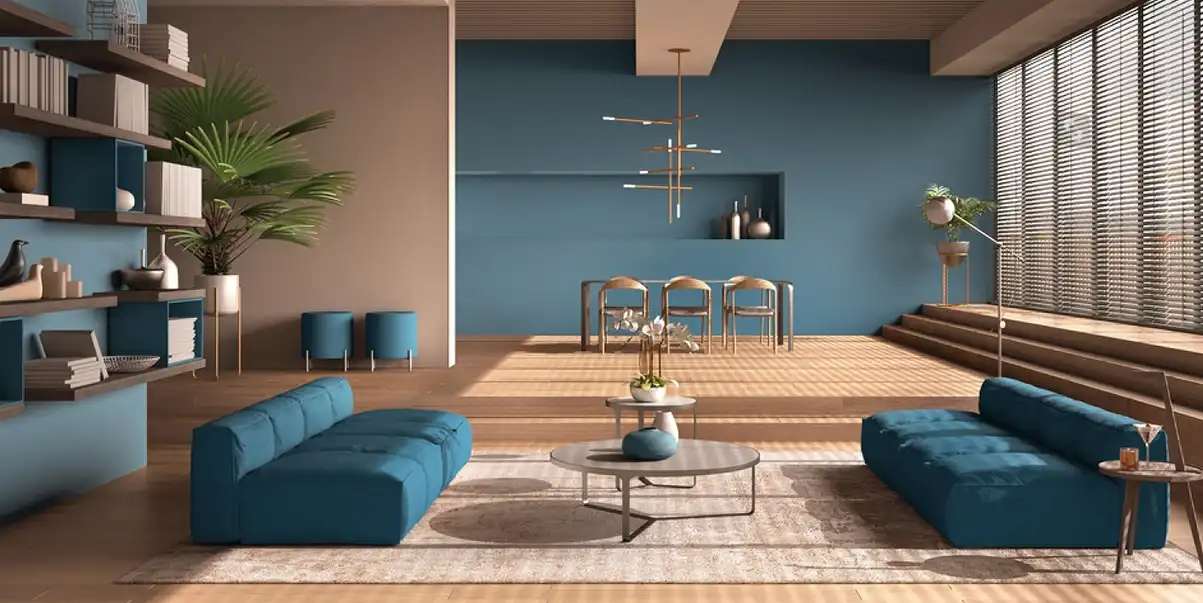
A quiet environment is crucial for enhancing focus, reducing stress, and improving overall productivity and well-being. Effective soundproofing strategies are essential for homes, offices, and specialized settings such as recording studios or healthcare facilities. Below, we explore key aspects of creating a tranquil environment, supported by insights into soundproofing and acoustic treatment techniques.
Understanding Noise and Its Impact
Noise pollution can arise from external sources like traffic or internal disturbances such as HVAC systems and human activities. It not only disrupts communication but also affects cognitive performance and mental health. Creating a quieter environment involves reducing noise at its source, isolating it through barriers, and absorbing residual sound effectively.
Steps to Achieve a Quiet Space
- Identify Noise Sources
- Begin by assessing the primary sources of noise. Common culprits include:
- External noise (traffic, construction).
- Internal noise (appliances, footsteps, conversations).
- Begin by assessing the primary sources of noise. Common culprits include:
- Isolate the Space
- Employ structural changes to isolate the area:
- Walls: Install dense materials like double-layered drywall with an air gap or add soundproof insulation.
- Doors and Windows: Replace hollow doors with solid-core alternatives and use double-glazed windows. Seal gaps with acoustic seals to prevent leakage.
- Employ structural changes to isolate the area:
- Absorb Sound
- Sound absorption materials can reduce reverberation:
- Use acoustic panels, carpets, and upholstered furniture.
- Add fabric curtains or soundproof blinds to dampen sound reflections.
- Sound absorption materials can reduce reverberation:
- Barrier Installation
- For outdoor noise, barriers like fences or walls lined with sound-absorbing materials can mitigate disturbances.
- Implement White Noise
- White noise machines or sound-masking devices can neutralize background noise, particularly in open offices or medical environments.
Specialized Solutions for Different Spaces
- Residential Areas
- Employ soft furnishings, rugs, and weatherproofing for doors and windows.
- Use noise-reducing drywall or foam panels for enhanced comfort.
- Offices
- Open-plan offices benefit from acoustic screens, ceiling baffles, and carpeting to reduce echo and maintain privacy.
- Studios and Audiology Rooms
- Specialized soundproofing such as “room-in-room” construction, foam absorbers, and resonance traps ensure clarity and precision in sensitive environments.
- Healthcare Facilities
- Hospitals and audiology rooms require stringent noise control to avoid interference with medical devices and patient care.
Improving the Acoustic Quality
- Types of Acoustic Absorbers
- Porous Absorbers: Materials like mineral wool, foam, and textiles absorb high frequencies.
- Membrane Absorbers: Panels with air gaps are effective for mid-range frequencies.
- Resonant Absorbers: Designed to trap and neutralize low-frequency sounds.
- Distribution and Placement
- Ensure even distribution of absorptive materials across walls and ceilings for balanced reverberation control. Rooms with uneven sound absorption may experience undesirable echoes or booms.
- Customizing Acoustic Goals
- Tailor soundproofing measures to meet specific needs, whether it’s reducing external noise in urban homes or enhancing focus in office environments.
Sustainability and Aesthetics
Modern soundproofing solutions prioritize sustainability and design. For example, recycled materials like felt and cork provide eco-friendly noise reduction while blending seamlessly into interior aesthetics. Additionally, choosing multipurpose furniture with built-in acoustic properties can optimize both functionality and design.
Benefits of a Quiet Environment
- Health and Well-Being
- Reduced stress, better sleep, and enhanced concentration.
- Productivity and Comfort
- Improved communication and workplace efficiency.
- Privacy
- Confidentiality in professional and healthcare settings.
Creating a quiet environment is a blend of science, engineering, and art. It requires assessing the specific noise challenges, employing appropriate materials, and maintaining a balance between functionality and aesthetics. Whether for personal relaxation or professional efficiency, investing in soundproofing and acoustic treatment significantly enhances the quality of life and productivity.