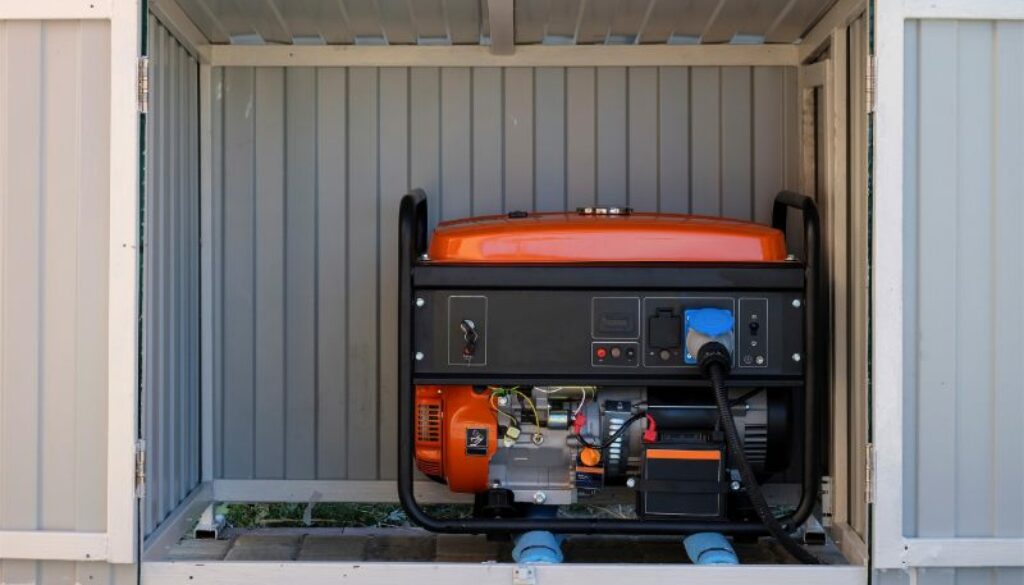
Portable generators are essential for providing backup power during outages or for use in outdoor settings. However, their operation often comes with significant noise, which can be a nuisance to you and those around you. Proper soundproofing techniques can reduce the noise levels without compromising the generator’s functionality or safety. Here’s how you can effectively soundproof a portable generator.
1. Understand Generator Noise
Generators typically produce noise levels ranging from 50 to 90 decibels (dB), depending on their size and type. Noise sources include:
- Engine Operation: Vibrations from internal combustion engines.
- Exhaust System: The primary contributor to noise.
- Cooling Fans: Essential for regulating generator temperature but often noisy.
2. Soundproofing Techniques
a. Use a Soundproof Enclosure
- Pre-Made Enclosures: Purchase an acoustic enclosure specifically designed for portable generators.
- DIY Enclosures: Build one using materials like MDF boards and acoustic foam. Ensure adequate ventilation to prevent overheating.
b. Install a Muffler
- Upgrade the generator’s stock muffler to a quieter model designed for noise reduction.
- Work with a professional to ensure compatibility and proper installation.
c. Positioning and Placement
- Place the generator on a level surface to reduce vibrations.
- Position it as far as possible from living areas or neighbors.
d. Use Anti-Vibration Pads
- Place these pads under the generator to absorb vibrations and reduce noise transmission to the ground.
e. Add Acoustic Barriers
- Set up soundproof panels or blankets around the generator to block noise.
- Use materials like mass-loaded vinyl (MLV) for better sound insulation.
3. Ensure Proper Ventilation
While soundproofing, ensure the generator gets adequate airflow:
- Create vents in the enclosure with acoustic ducts to direct noise away while allowing air circulation.
- Install fans if necessary to prevent overheating.
4. Consider Noise-Reducing Accessories
- Exhaust Extensions: Direct exhaust noise away from sensitive areas.
- Noise Reduction Kits: Many manufacturers offer kits to reduce generator noise levels.
5. Test and Adjust
Once the soundproofing measures are in place:
- Test the noise levels using a decibel meter to ensure significant reduction.
- Monitor the generator’s temperature to confirm it remains within safe operating limits.
6. Alternative Solutions
- Inverter Generators: Consider investing in inverter generators, which are generally quieter and more fuel-efficient than traditional models.
- Underground Installation: For permanent setups, burying the generator in a soundproof pit can further reduce noise.
Conclusion
Soundproofing a portable generator is a practical way to enhance comfort and reduce noise pollution. By combining methods such as enclosures, mufflers, and acoustic barriers, you can achieve a quieter operation while maintaining safety and performance. Always balance noise reduction efforts with proper ventilation and cooling to ensure your generator runs smoothly.