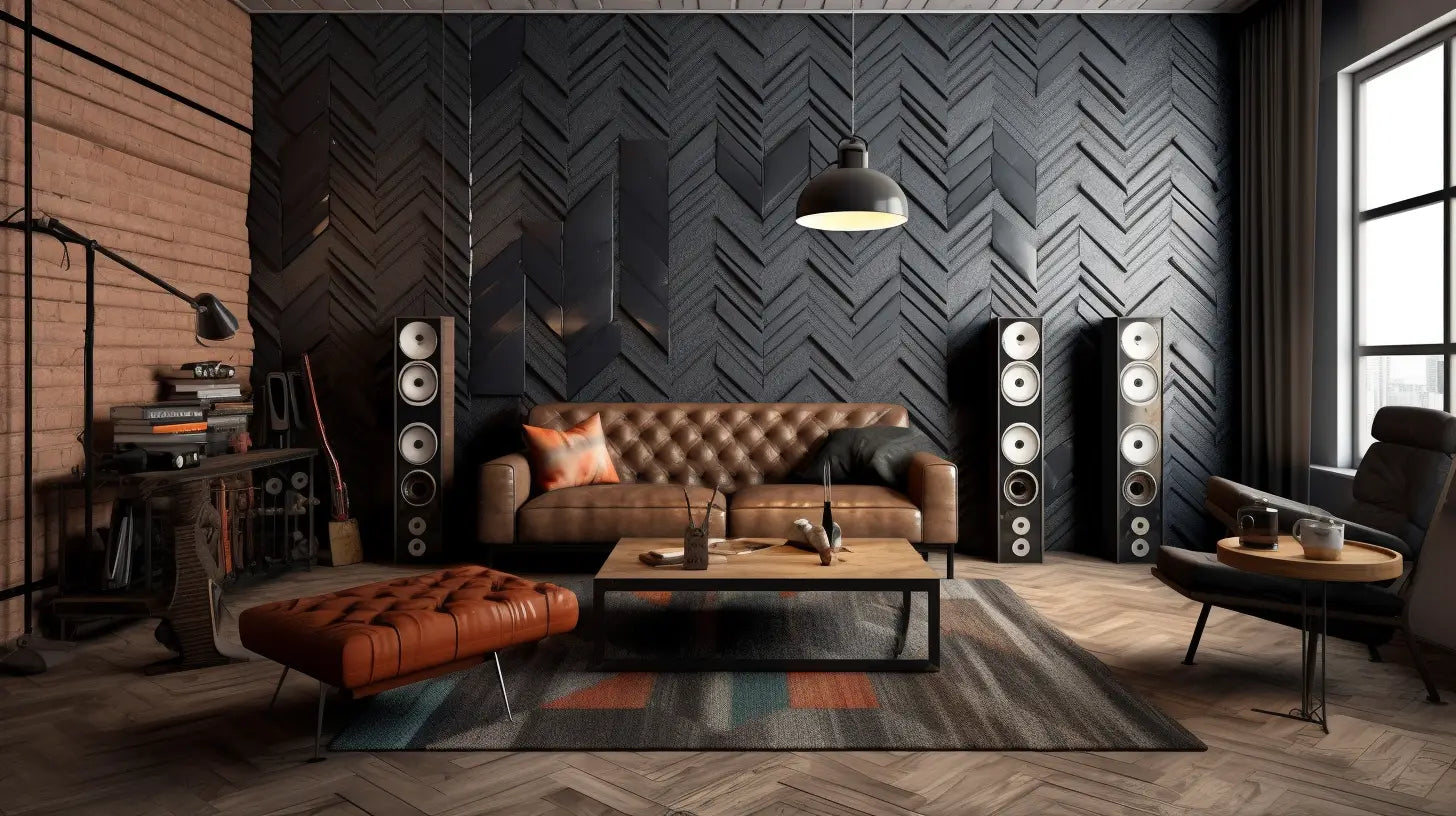
Acoustic insulation is more than just a luxury; it is a necessity in today’s noisy world. Whether it’s external sounds like traffic, barking dogs, or construction, or internal disturbances such as home appliances or conversations, noise pollution can significantly impact comfort, health, and productivity. Retrofitting existing homes with acoustic insulation addresses these issues effectively, transforming living spaces into peaceful sanctuaries.
What Is Acoustic Insulation?
Acoustic insulation refers to the use of materials and techniques designed to reduce the transmission of sound between spaces. This can involve:
- Absorption of Sound: Materials absorb sound waves, preventing them from bouncing around a room.
- Blocking Sound: Barriers reduce the transfer of sound through walls, floors, or ceilings.
These principles make acoustic insulation essential for creating quieter, more comfortable environments, particularly in urban or densely populated areas.
Why Is Acoustic Insulation Important for Existing Homes?
Existing homes often lack the acoustic considerations that are standard in modern constructions. Incorporating acoustic insulation can provide several benefits:
- Improved Comfort and Quality of Life
Noise pollution can lead to stress, sleep disturbances, and a general decrease in quality of life. Insulating walls, ceilings, and floors reduces noise infiltration, creating a more relaxing and private living environment. - Enhanced Productivity
For those working or studying from home, noise can be a significant distraction. Acoustic insulation ensures a quieter workspace, helping to boost concentration and productivity. - Health Benefits
Prolonged exposure to noise pollution can lead to hearing issues, stress, and other health problems. Acoustic insulation mitigates these risks by minimizing noise levels inside the home. - Privacy and Confidentiality
Acoustic insulation prevents sounds from traveling between rooms, maintaining privacy in shared living spaces and ensuring sensitive conversations remain confidential.
Common Noise Challenges in Existing Homes
Retrofitting acoustic insulation is often driven by the following noise-related challenges:
- External Noise: Traffic, construction, or neighborhood activities infiltrating through walls and windows.
- Internal Noise: Sounds from other rooms, footsteps on floors above, or vibrations from appliances.
- Structural Issues: Older homes may have thinner walls or less robust construction, making them more susceptible to sound transmission.
Types of Acoustic Insulation for Existing Homes
- Wall Insulation
Walls can be retrofitted with soundproof panels or insulation batts made of fiberglass, mineral wool, or foam. These materials reduce noise transmission between adjacent rooms or from external sources. - Ceiling Insulation
Installing acoustic tiles or insulation in the ceiling helps block sound from upper floors or external sources like rain. This is particularly beneficial in multi-story homes. - Floor Insulation
Carpets, rugs, or underlayment materials like cork or rubber reduce impact noise from footsteps or moving furniture. - Window and Door Treatments
Sealing gaps, installing double-glazed windows, or using acoustic doors can significantly reduce noise infiltration from outside. - Acoustic Panels
Decorative acoustic panels absorb sound within a room, improving the overall acoustic quality and reducing echo.
How to Retrofit Acoustic Insulation in Existing Homes
Retrofitting acoustic insulation in an existing home requires careful planning and execution:
- Identify Noise Sources
Conduct a noise audit to pinpoint the primary sources of unwanted sound. Focus efforts on high-impact areas like external walls, shared walls, or ceilings. - Choose Appropriate Materials
Depending on the type of noise and the area to be treated, select materials that balance performance, cost, and aesthetics. - Professional Installation
While some acoustic treatments are DIY-friendly, others, like wall or ceiling insulation, may require professional installation to ensure optimal performance. - Layering Techniques
In some cases, combining multiple solutions, such as wall insulation with soundproof curtains or rugs, enhances noise reduction.
Cost vs. Value
While retrofitting acoustic insulation involves an initial investment, the long-term benefits often outweigh the costs. Key advantages include:
- Increased Property Value: Homes with good sound insulation are more appealing to buyers.
- Energy Efficiency: Many acoustic insulation materials also provide thermal insulation, reducing heating and cooling costs.
- Better Living Standards: The comfort and health benefits of a quieter home are invaluable.
Acoustic Insulation and Sustainability
Many modern acoustic insulation materials are eco-friendly, made from recycled or sustainable resources. Options like cellulose or sheep’s wool provide excellent soundproofing while aligning with green building practices.
Practical Tips for Homeowners
- Start Small: Address high-priority areas like windows or doors first, then expand to walls and ceilings.
- Use Multifunctional Products: Choose materials that provide both sound and thermal insulation.
- Regular Maintenance: Ensure that seals, panels, or other treatments remain intact over time to maintain performance.
Conclusion
Acoustic insulation is an essential investment for improving the livability of existing homes. Whether you’re looking to create a quieter, more private space or to enhance productivity and comfort, acoustic insulation provides a lasting solution to noise-related challenges. By identifying noise sources, selecting the right materials, and applying targeted treatments, homeowners can enjoy the benefits of a peaceful and harmonious environment.