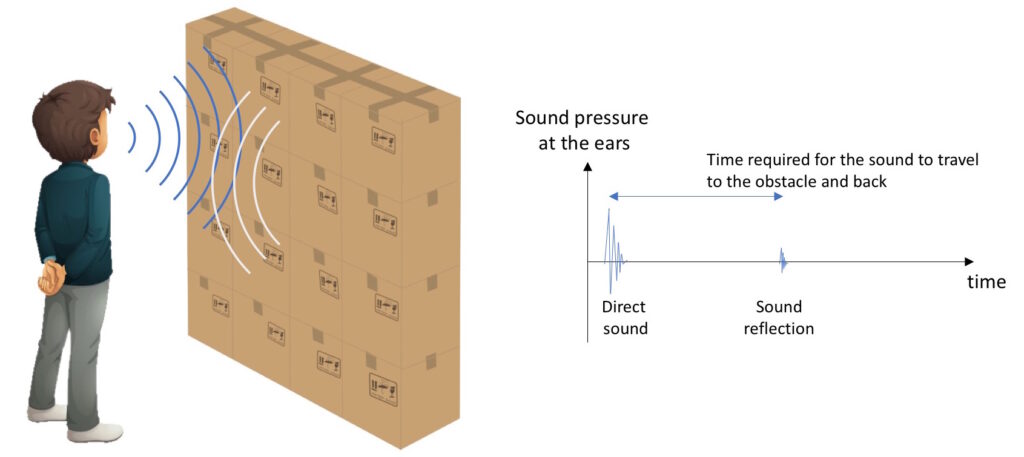
Understanding sound reflections is essential in acoustics as it directly impacts how sound behaves in a space and influences the clarity and quality of audio. When sound waves hit a surface, they can reflect, absorb, or scatter, depending on the surface material, shape, and angle. Here’s a detailed explanation based on the concept of sound reflections:
What Are Sound Reflections?
Sound reflections occur when sound waves encounter a surface and bounce back into the environment. This phenomenon plays a critical role in room acoustics, determining whether a space feels echoic, reverberant, or acoustically balanced. Reflective surfaces like hard walls, ceilings, and floors can amplify these effects.
Types of Sound Interactions
- Reflection: This happens when a surface is smooth and hard, such as glass or concrete, causing sound waves to bounce back without much change.
- Diffusion: Uneven or irregular surfaces scatter sound waves in multiple directions, reducing echo and creating a balanced sound distribution.
- Absorption: Soft materials, such as foam or carpets, absorb sound energy, minimizing reflections and controlling reverb
How Reflections Impact Acoustics
Reflected sound waves, when combined with direct sound, can enhance or degrade auditory experiences:
- Positive Impact: Controlled reflections can add warmth and richness to the sound, as seen in concert halls.
- Negative Impact: Uncontrolled reflections lead to echo and muddiness, impairing speech intelligibility and music clarity.
Applications in Acoustics
- Home Theaters: Acoustic panels and diffusers minimize unwanted reflections, ensuring a crisp and clear audio experience.
- Offices: Reducing reflections helps improve speech clarity, enhancing productivity in open-plan offices.
- Recording Studios: Balanced reflections create a neutral sound environment, ideal for music production.
Techniques to Manage Sound Reflections
- Acoustic Panels: These absorb sound to reduce excessive reflections and echo.
- Diffusers: Used to scatter sound evenly, preventing “hot spots” of sound concentration.
- Placement of Furniture: Strategically placed furniture can break up reflective surfaces and improve room acoustics.
- Carpets and Curtains: Adding soft materials helps absorb sound and dampen reflections
By understanding and managing sound reflections, you can create environments optimized for both speech and audio, improving acoustic quality across various settings.