When designing buildings or upgrading spaces for better soundproofing, understanding STC rating is essential. STC, or Sound Transmission Class, is a widely used metric for measuring the ability of a material or structure to block sound. From walls to windows, STC ratings help determine how effectively noise is reduced, creating quieter and more comfortable environments.
What is an STC Rating?
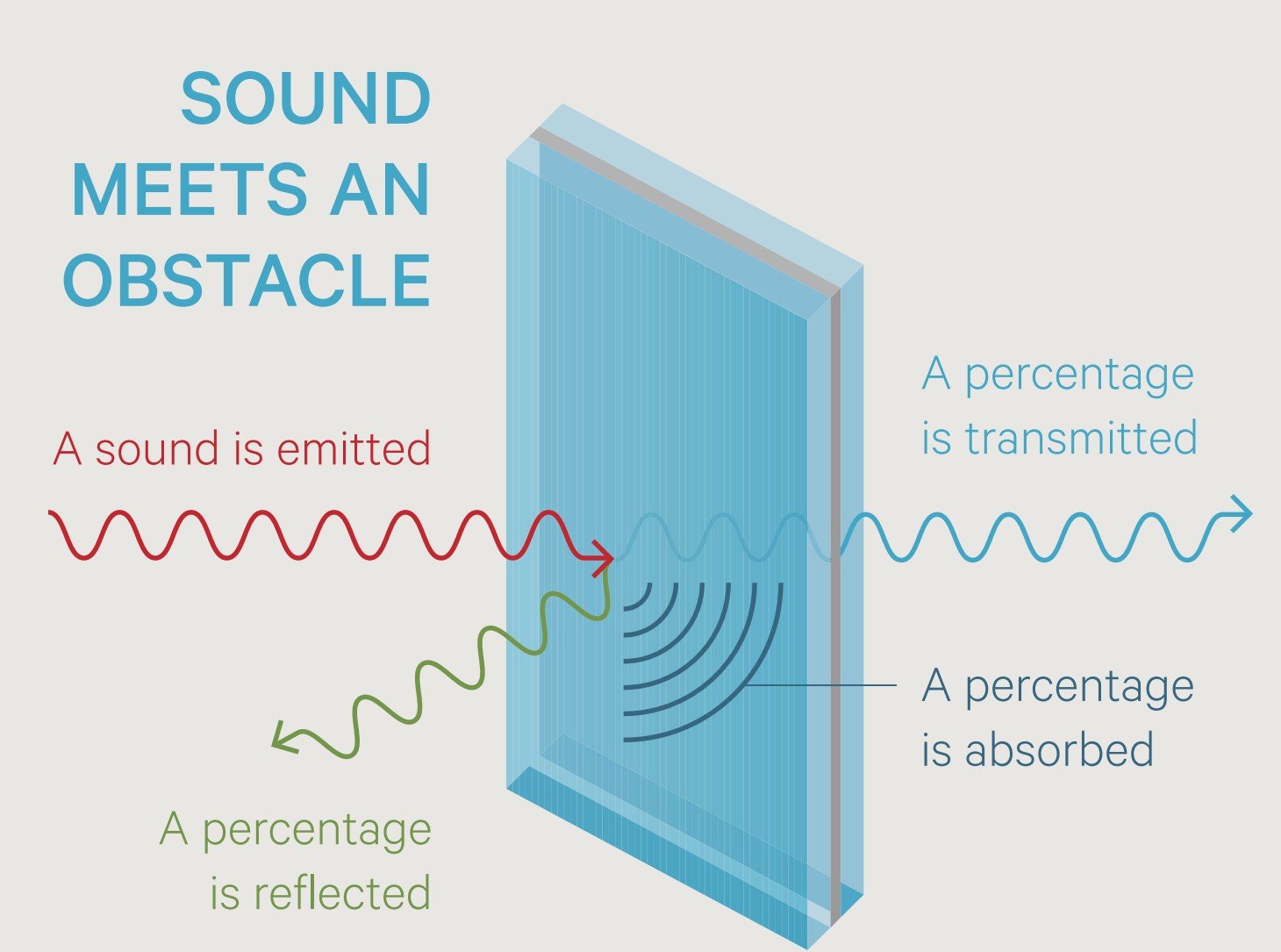
STC rating quantifies the performance of a material or structure in reducing sound transmission. It is expressed as a single number, with higher values indicating better soundproofing.
How is STC Measured?
STC measures how well a material or assembly attenuates airborne sound across a frequency range of 125 Hz to 4000 Hz, encompassing most human speech and environmental noises. Laboratory tests involve exposing a material to sound and measuring how much is transmitted to the other side.
STC Ratings 45, 50: What Do They Mean?
The numbers associated with STC ratings indicate the decibel (dB) reduction in noise. Here’s a breakdown of common STC ratings:
- STC 30-35: Minimal soundproofing. Speech can be easily heard through walls or windows with this rating.
- STC 40-45: Moderate soundproofing. Loud speech is faintly audible, but normal conversation may be muffled.
- STC 50 and Above: High-performance soundproofing. Most noises, including loud speech, are barely audible or completely blocked.
For instance:
- An STC 45 wall can reduce noise by 45 decibels, making it suitable for residential spaces.
- An STC 50 rating is often required in shared walls of apartments or hotels to ensure privacy and comfort.
What Should We Know About STC Ratings?
1. STC Focuses on Airborne Sound
STC ratings primarily address airborne sounds, such as human speech, music, and traffic noise. It does not account for impact noises like footsteps or vibrations, which are measured by other metrics such as Impact Insulation Class (IIC).
2. Testing is Standardized
STC ratings are determined in controlled laboratory environments. Real-world performance may vary due to installation quality and environmental factors.
3. Not All Frequencies Are Equal
While STC ratings cover a range of frequencies, they are less effective at indicating performance for low-frequency sounds, such as bass-heavy music or industrial machinery.
Recommended STC Ratings
Different environments require varying levels of soundproofing. Below are some general guidelines:
- Residential Walls: STC 40-50 to reduce indoor noise and ensure privacy.
- Hotel Rooms and Apartments: STC 50-60 to minimize disturbances between adjacent units.
- Windows for Busy Streets: STC 40+ to block external noise like traffic or construction.
- Recording Studios: STC 60+ to ensure high acoustic isolation.
What is a Good STC Rating for Windows?
Windows play a critical role in soundproofing. Here’s a guide to choosing the right STC rating for windows:
- STC 28-32: Standard single-pane windows, suitable for quiet suburban areas.
- STC 35-40: Double-pane windows, effective for moderate noise levels like residential neighborhoods.
- STC 45+: Triple-pane or specially laminated windows, ideal for homes near busy streets, airports, or industrial zones.
How Can I Improve My STC Rating?
If you’re dealing with excessive noise and want to boost the STC rating of your walls, windows, or other structures, here are some strategies:
1. Upgrade Windows
- Switch to Double or Triple Glazing: Multi-pane windows significantly enhance soundproofing by trapping noise between layers.
- Add Acoustic Caulking: Seal gaps around window frames to prevent sound leakage.
- Install Storm Windows: Adding a secondary window layer can improve the overall STC rating.
2. Enhance Walls
- Add Mass: Use heavier materials like mass-loaded vinyl (MLV) or additional drywall layers to block sound waves.
- Use Resilient Channels: Installing these metal strips can create a decoupled structure that reduces sound transfer.
- Fill Cavities with Insulation: Acoustic insulation materials like rock wool or fiberglass can absorb sound and increase STC ratings.
3. Improve Doors
- Replace hollow-core doors with solid-core models to block more noise. Adding weatherstripping and seals can further reduce sound transmission.
4. Address Floors and Ceilings
- Use carpets, rugs, or underlayment materials to absorb sound. For ceilings, consider installing acoustic panels or drop ceilings with soundproofing tiles.
5. Reduce Noise Transmission Paths
- Seal all gaps, cracks, and joints in walls, ceilings, and floors to eliminate pathways for noise to travel.
What Should You Know About Selecting STC Ratings?
- Understand Your Needs: Evaluate the type and level of noise you’re dealing with before selecting materials.
- Account for Installation Quality: Proper installation is as crucial as the material’s STC rating. Even high-STC-rated products can underperform if not installed correctly.
- Balance Cost and Performance: Higher STC ratings often come with higher costs. Choose materials that meet your needs without overinvesting in unnecessary soundproofing.
Conclusion
An STC rating is a vital tool for assessing and improving soundproofing in any space. Whether you’re designing a home near a busy street or creating a peaceful office environment, understanding what STC ratings mean and how to optimize them can help you make informed decisions.
For most residential settings, an STC rating of 45-50 is sufficient to ensure comfort and privacy. However, areas exposed to extreme noise may require ratings of 60 or higher. By upgrading windows, walls, and other elements with soundproofing materials, you can achieve the desired noise reduction and create a quieter, more enjoyable space.